With the Bayeux Tapestry being loaned to the British Museum in London later this year, from September 2026 to July 2027, there’s never been a better time to explore the real landscapes of one of the most famous stories in English history.
The 70-metre Bayeux Tapestry was made almost 1000 years ago and depicts the Norman Conquest of England in 1066, culminating in the Battle of Hastings, where William the Conqueror defeated King Harold Godwinson in Sussex to claim the English throne.
Follow the story of the Bayeux Tapestry by visiting the real-life locations woven into the fabric of English history, and walk in the footsteps of kings and conquerors in 1066 Country, the heart of Norman England in Sussex.
Day One: Conquer Castles and Coastlines
Follow in the footsteps of William the Conqueror along the historic coastline where the Norman Conquest began in Sussex.
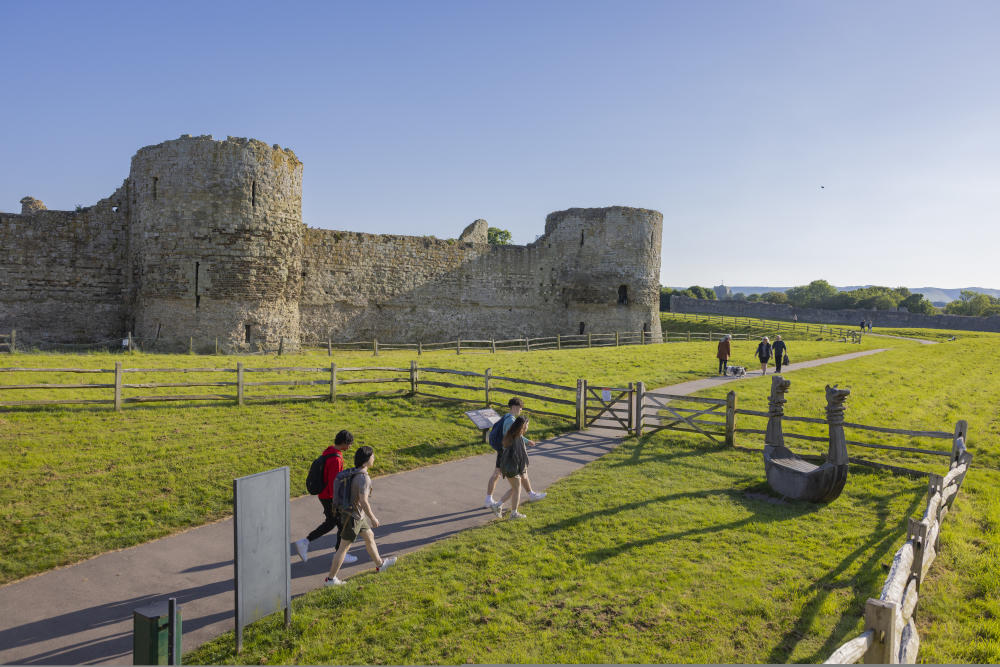
The Bayeux Tapestry shows William the Conqueror's fleet landing at Pevensey, near Eastbourne, in September 1066, marking the start of the Norman Conquest of England.
Begin your first day at the same location and explore Pevensey Castle, where William the Conqueror built temporary defences when he landed, making use of its strategic location facing the Normandy coast.
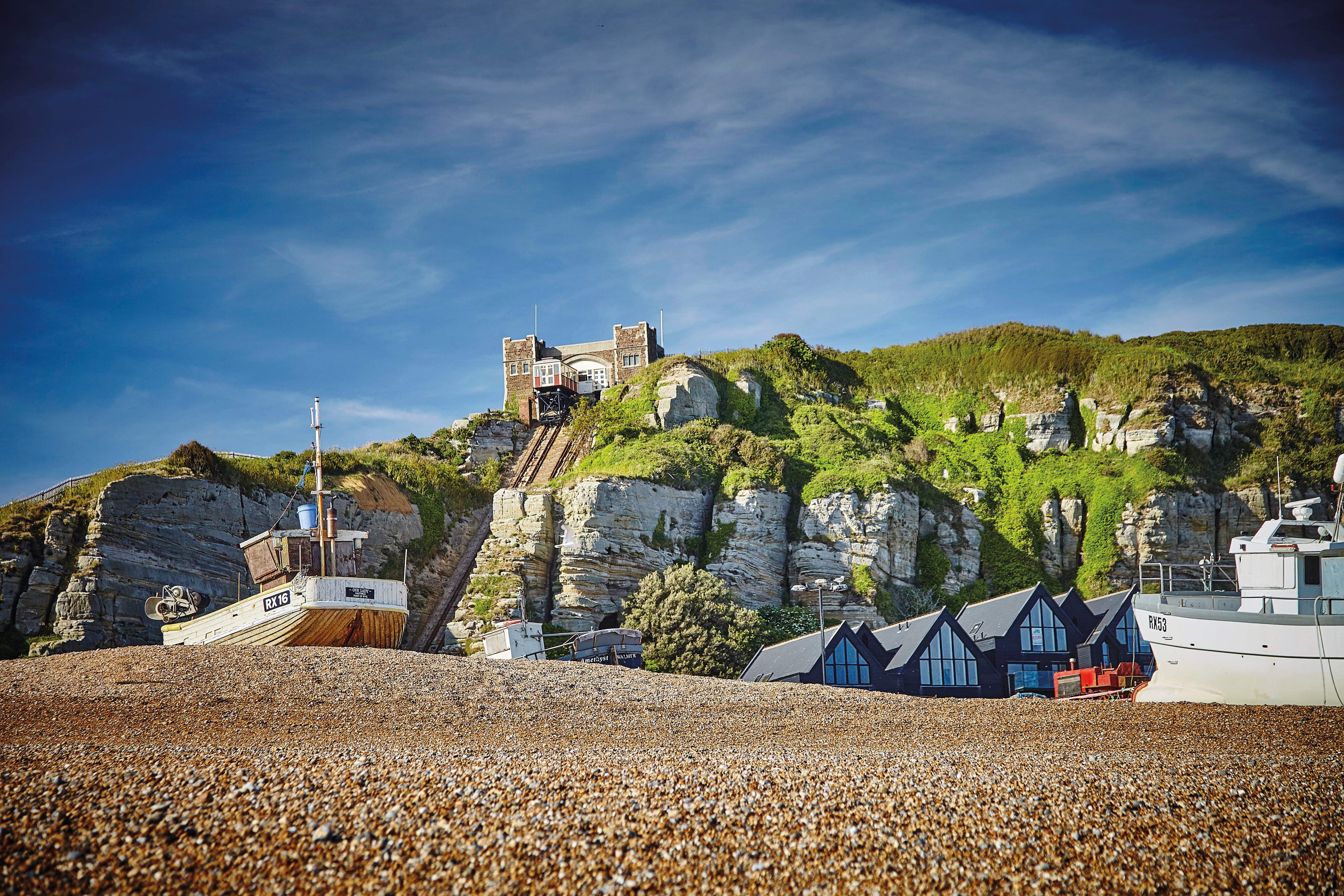
From here, head 12 miles east towards Hastings, just as the Normans did 960 years ago. Wander through the Old Town and climb up to the ruins of Hastings Castle, the first castle to be built in England after William's invasion, which has sweeping sea views and retells the 1066 story.
1066 Country Walk
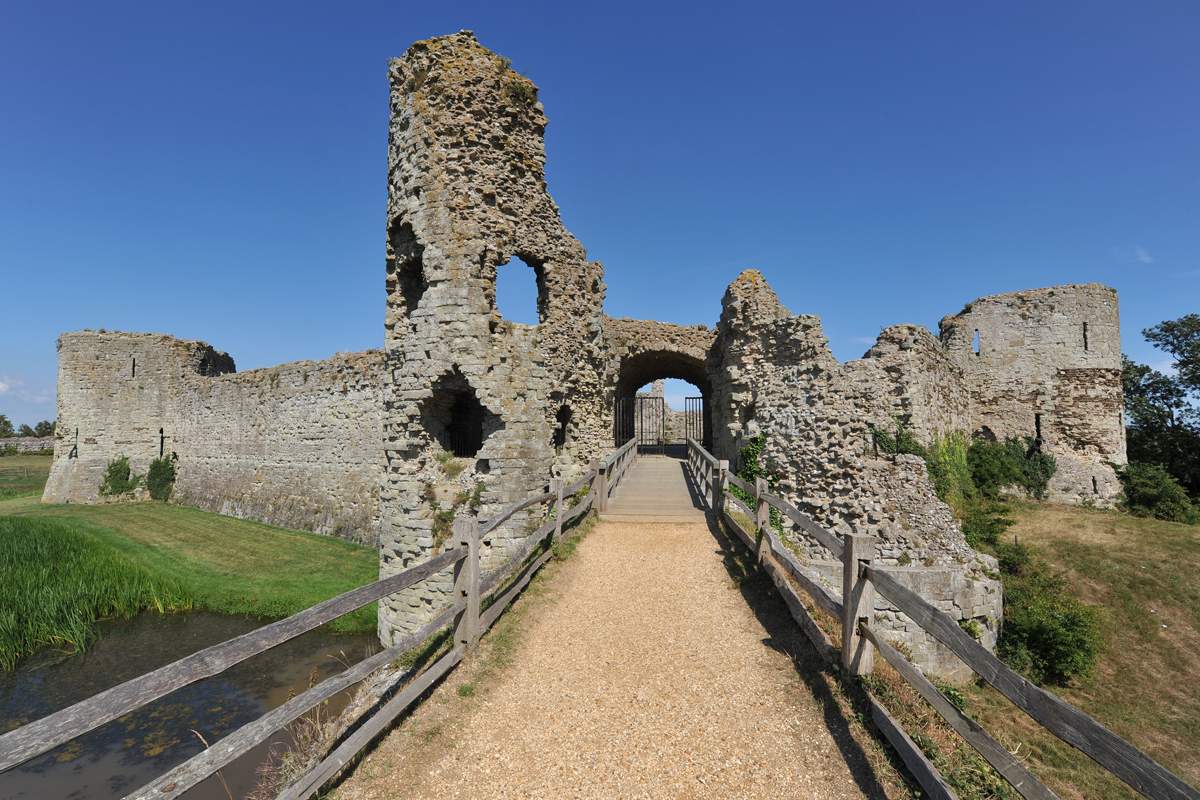
The 31-mile 1066 Country Walk is a route through the countryside that witnessed the Norman Conquest, with sculptures inspired by the Bayeux Tapestry along the way. Starting at Pevensey Castle, it takes in Herstmonceux Castle, the historic 1066 Battle Abbey and Battlefield, medieval Winchelsea, and finishes in historic Rye.
Day Two: Heading into Battle
Visit the momentous location of the Battle of Hastings, which changed the course of English history in 1066.
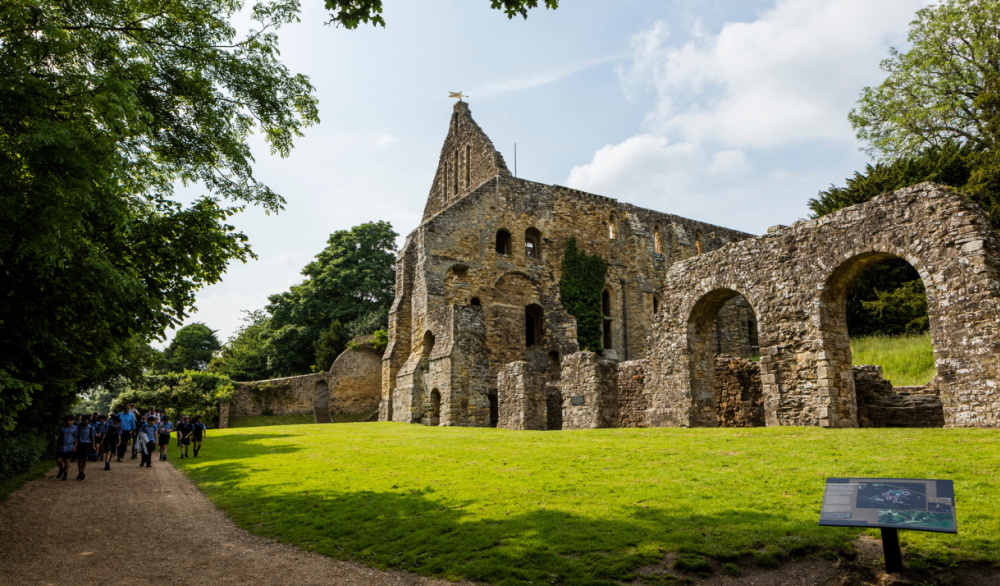
Six miles outside of Hastings, the town of Battle, which derives its name from the infamous conflict which changed the course of English history on 14 October 1066, is the site of the Battle of Hastings.
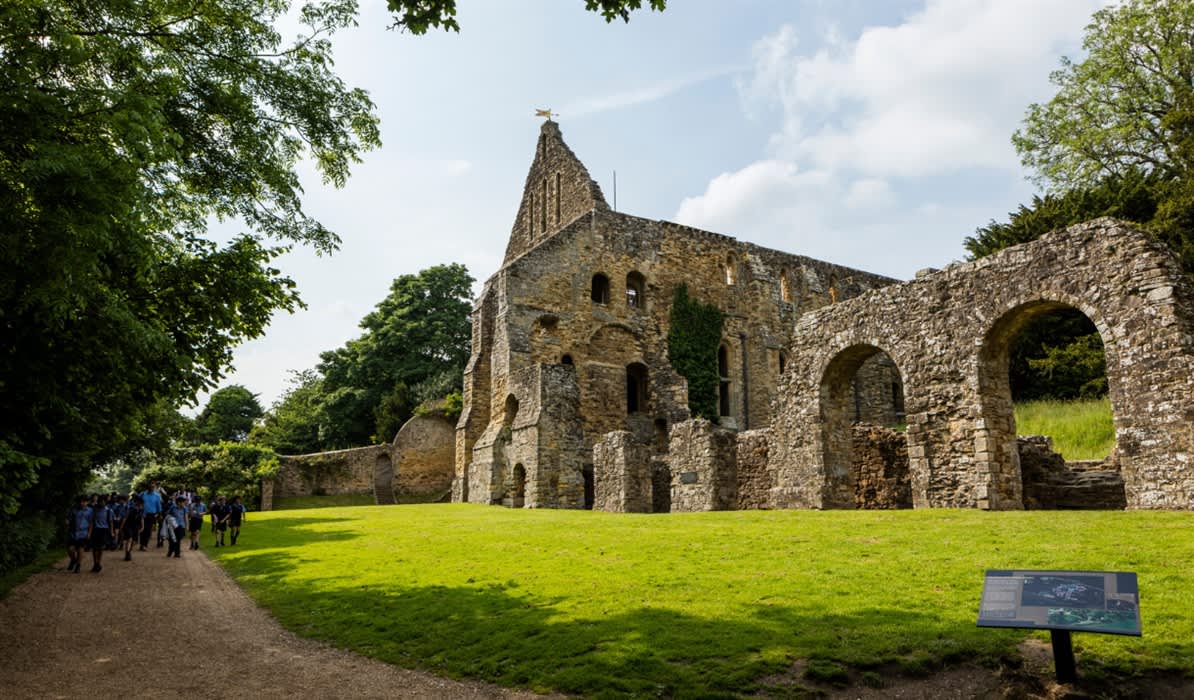
Now under the custodianship of English Heritage, 1066 Battle of Hastings, Abbey and Battlefield is a moving and powerful place to visit.
Walk the battlefield where the Norman and Anglo-Saxon armies clashed; explore the atmospheric ruins of Battle Abbey, built by William the Conqueror on the spot where King Harold died (famously depicted in the Bayeux Tapestry); dig deeper into the past in the interactive exhibition; and head to the gatehouse roof for stunning views over the battlefield.
Every autumn, around the anniversary of the Battle of Hastings, a battlefield reenactment dramatically relives this famous day of history.
After your visit, take time to explore Battle town, a charming market town filled with historic buildings, independent shops and cosy cafés. Make sure to visit St Mary the Virgin Church, which is home to a smaller three-metre Bayeux-style tapestry, offering a wonderful local interpretation of the Norman Conquest – a perfect dupe for those inspired by the British Museum exhibition.
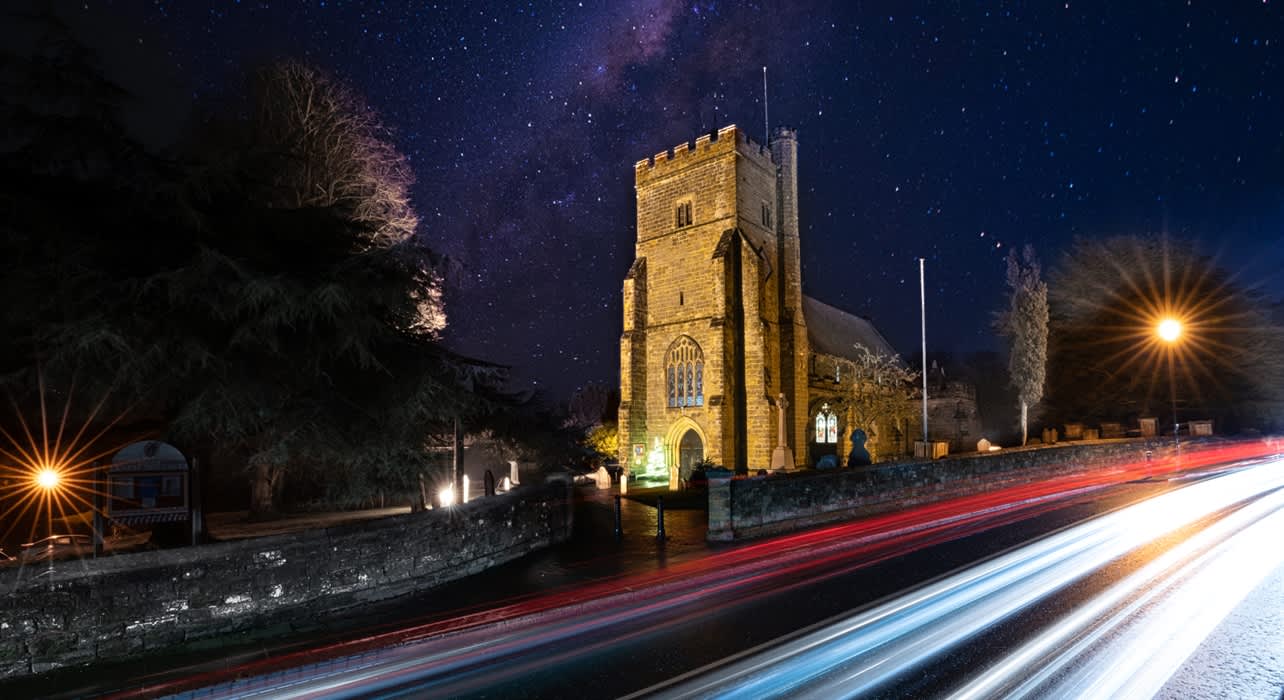
St Mary the Virgin Battle
- Upper Lake
St Mary's is a Grade 1 listed church awarded a Major Parish Church status and was founded in 1115 to serve the community which had grown up around…
1066 Battle of Hastings, Abbey and Battlefield
- High Street
March into history on the most famous battlefield in England. Follow in the footsteps of the armies of William the Conqueror and King Harold as they…
Bonus Stops for History Lovers
More time to explore? Try these other nearby Sussex spots steeped in history.
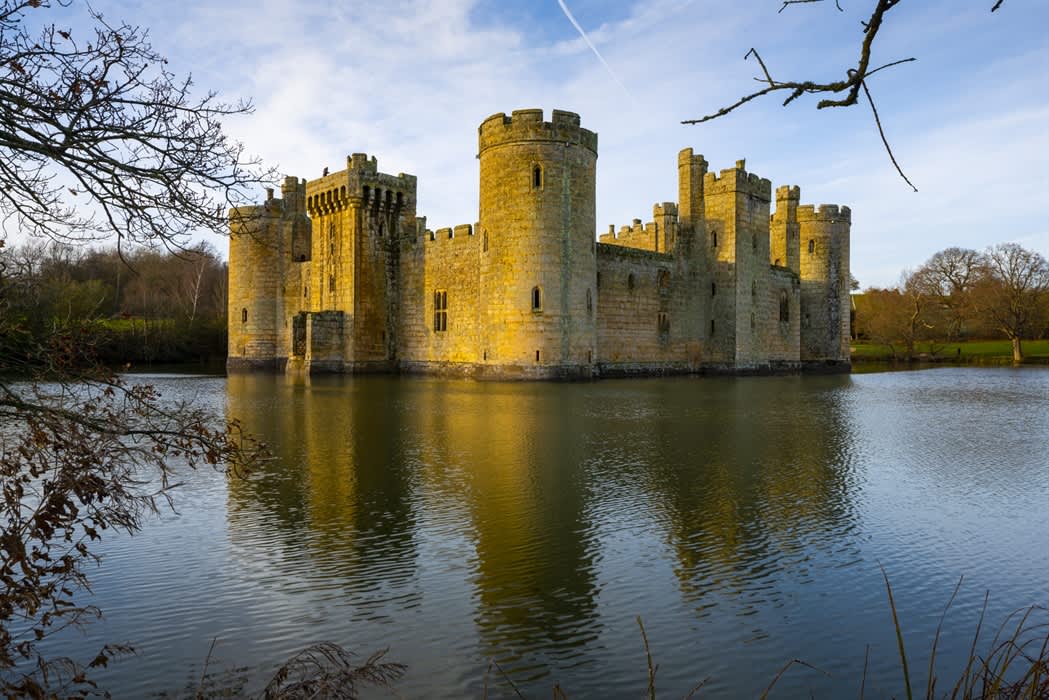
- Bodiam Castle – one of Britain's most picture-perfect ancient monuments, this 14th-century castle, encircled by a wide moat, is cared for by the National Trust.
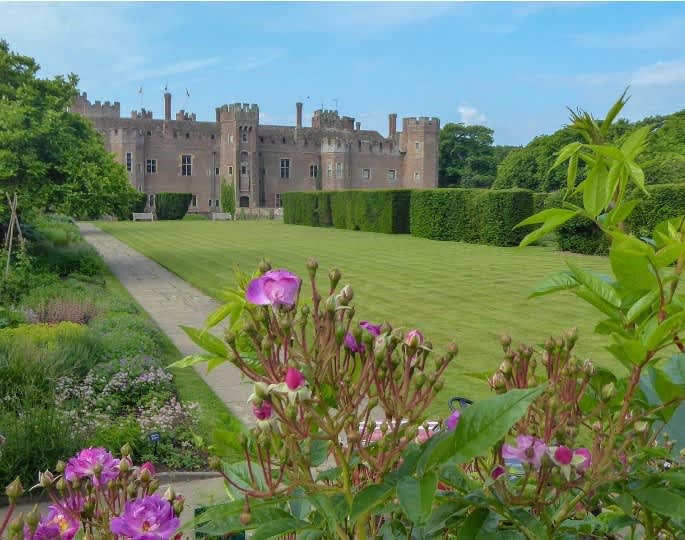
- Herstmonceux Castle Estate – another magnificent moated castle, this brick-built beauty is surrounded by gardens and parkland, with a rich history dating back to the 15th century.
- Bosham – depicted in the Tapestry, archaeologists recently identified Bosham as King Harold Godwinson's residence, where he held a feast and visited Bosham church to pray for a safe voyage before sailing for France, prior to the Normans invading England. Today, Bosham is a charming coastal village, often described as one of the most photogenic places on the south coast thanks to its scenic shores.
Bodiam Castle National Trust
- Castle Hill
About Bodiam Castle Set in the heart of an historic landscape, with spiral staircases, battlements and a portcullis, 14th century Bodiam Castle is one…
Herstmonceux Castle Estate
- Herstmonceux Castle
Herstmonceux Castle is rich in history dating back to the 15th Century, commissioned by Sir Roger Fiennes, Treasurer to the Household of Henry VI. The…
Where to Stay and Eat
After a full day of exploring, have your own feast and take residence for the night at some super Sussex accommodation.
Crafted at Powdermills – within arrow-shooting distance of Battle, Powdermills is a modern lakeside hotel with outstanding accommodation, wellness facilities, and a restaurant serving food fit for a king.
The Red Lion, Hooe – a characterful country pub near Battle serving seasonal and locally sourced dishes.
Wickham Manor – a 16th-century manor at Charles Palmer Vineyards, right on the 1066 Country Walk near Winchelsea, with two separate wings available as accommodation with sea views.
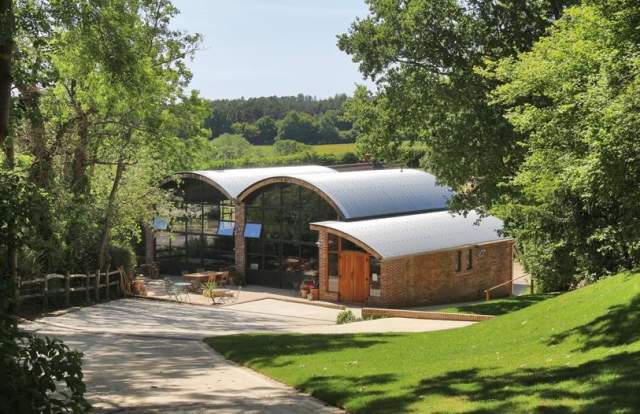
Sedlescombe – England’s oldest organic wine estate and 10 minutes from Battle, Sedlescombe has a gorgeous glass-fronted wine shop and tasting room, and The Nest, a three-bedroom detached house that sleeps six.
More Sussex vineyards with accommodation
Don't miss: Sussex Winelands
1066 Country is also at the heart of the Sussex Winelands, one of England’s premier wine regions. Why not visit a local vineyard, many of which offer tastings, tours, as well as excellent dining and accommodation.
Explore the Rother Wine Triangle
Stretching across 1066 Country, from Hastings to Battle and beyond, the Rother Valley is one of the most exciting new wine regions in the UK, linking…
How to get to 1066 Country in Sussex
1066 Country in Sussex is easily accessible from London, making it a great destination for visitors to take in the Bayeux Tapestry at the British Museum and then visit its real-life locations.
By train
1066 Country is connected directly to Central London and other major UK stations. The main train stations are:
Pevensey Bay: 1 hour 40 minutes from London Victoria
Hastings: 1 hour 30 minutes from London St Pancras
Battle: 1 hour 20 minutes from London Charing Cross
By car
Distance from the British Museum in Central London:
Pevensey: 77 miles
Hastings: 72 miles
Battle: 60 miles