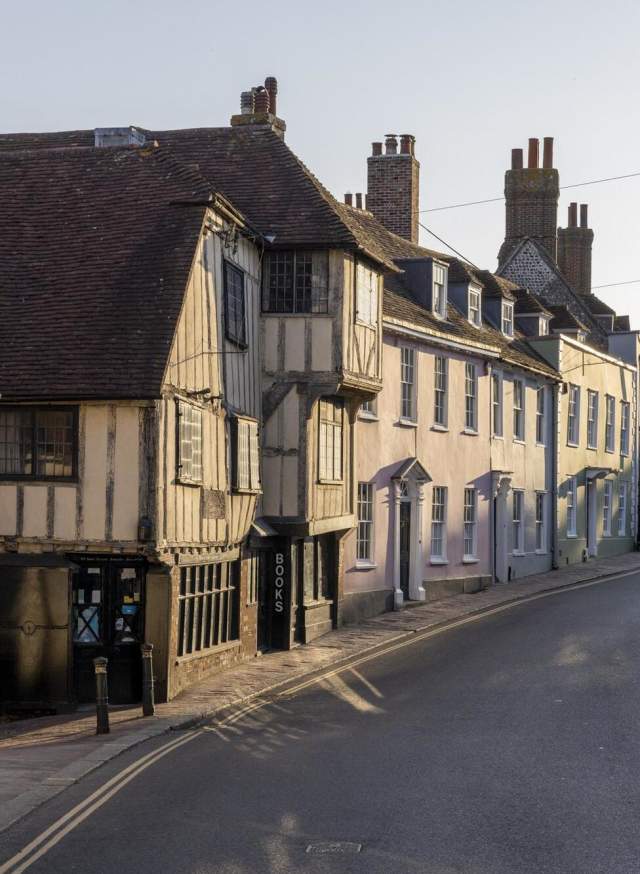
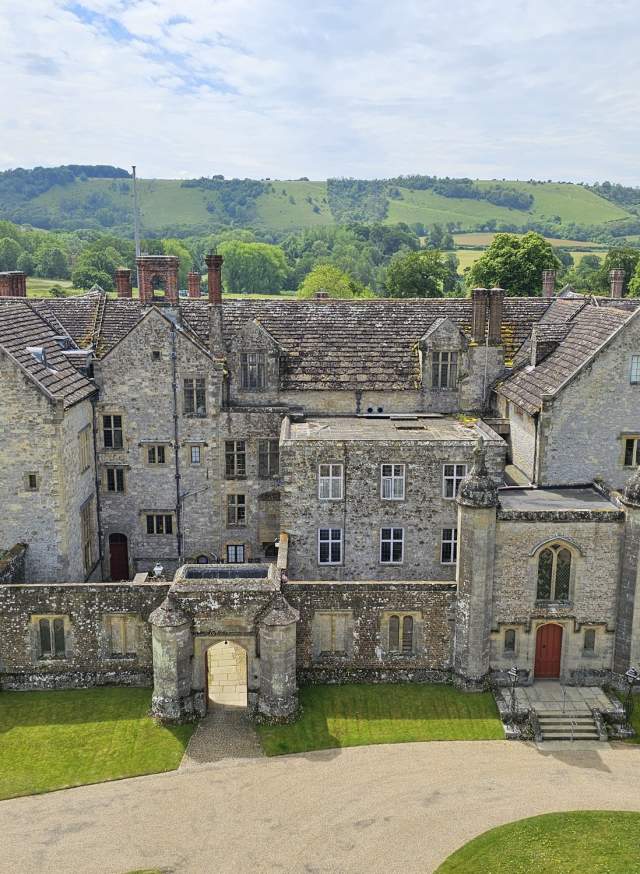
In 2026, the United States of America commemorates 250 years since the signing of the Declaration of Independence in 1776, and a small city in Sussex holds a unique connection to this pivotal piece of global history. Located on the south coast of England, Chichester is a cathedral city rich in heritage, offering some surprising links to the people and ideas that shaped the modern United States.
Discover these places in and around Chichester to reveal the fascinating Sussex connections to American independence.
How is Chichester linked to American history?
Chichester is linked to American history through transatlantic connections of ideas, people, and documents, most notably the Sussex Declaration held at the West Sussex Record Office — one of only two known parchment manuscripts of the U.S. Declaration of Independence in existence.
The story behind how this extraordinary American artefact came to be in Sussex lies with the people who lived in and around the area during the American Revolution.
Chichester Cathedral
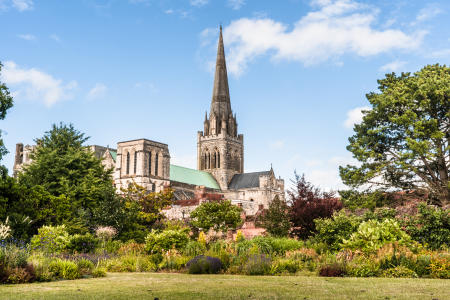
For 950 years, Chichester Cathedral has been a place of worship, reflection, and community, and its story is also intertwined with American history.
A visit here is a great place to start to give a superb contextual overview of Chichester’s Anglo-American connections, which are fostered and celebrated through Chichester Cathedral's American Patrons.
Visitors can admire the stunning medieval architecture, rare artworks, and on selected dates climb the 164 steps up to the magnificent spire for panoramic views of the city and surrounding area.
The Sussex Declaration at West Sussex Record Office
The United States of America declared independence from Great Britain on 4 July 1776, marked by the signing of the U.S. Declaration of Independence, which is now kept in the National Archives in America’s capital city, Washington, D.C.
In Chichester, over 3500 miles away and across the Atlantic Ocean, the West Sussex Record Office holds the only other parchment manuscript of the U.S. Declaration of Independence in the world. It is arguably the most important American Revolutionary artefact in the UK.
Known as the Sussex Declaration, this extraordinary piece of US history was only discovered in 2016 when a professor from Harvard University was conducting research to identify previously unknown copies of the American Declaration of Independence.
It’s thought that this rare copy of the Declaration of Independence was originally held by the ‘Radical Duke’, the 3rd Duke of Richmond, who had a keen interest in American affairs and lived just outside Chichester at Goodwood. The long-term solicitors of the family, Rapers in Chichester, had deposited the Declaration to the Record Office along with other papers in 1956. The West Sussex Record Office also holds archives for the Royal Sussex Regiment, who fought in major engagements in the War of Independence, including Bunker Hill, Brooklyn, and White Plains.
The West Sussex Record Office is a short walk from Chichester Cathedral and is planning some ticketed special events to see the original document during 2026, and the Transatlantic Ties website shares more detail about the Declaration copy.
Goodwood Estate
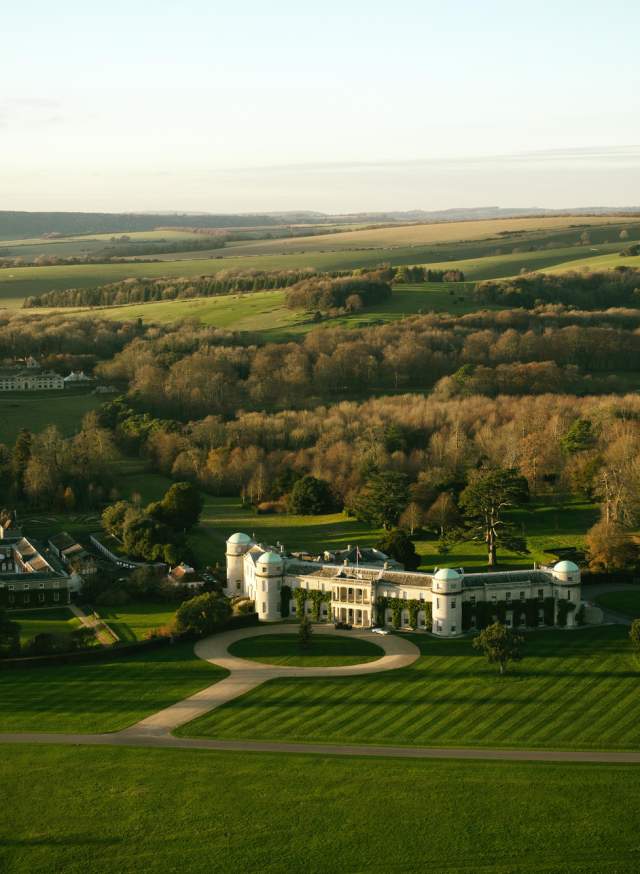
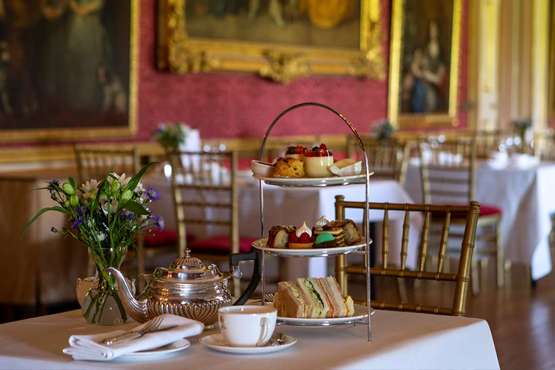 Five miles outside of Chichester, the Goodwood Estate is the former home of the Radical Duke. During the late 18th century, at the time of the American Revolution, Goodwood was the home of Charles Lennox, the 3rd Duke of Richmond. He was known as the Radical Duke because he was one of Britain’s most outspoken supporters of the American Revolution. It was Charles Lennonx who introduced Thomas Paine to Benjamin Franklin, a pivotal moment that prompted Paine to migrate to America and write his influential pamphlet Common Sense.
Today, Goodwood House makes for a fascinating visit. Set against the Sussex South Downs, the Jacobean house has superb Regency interiors forming the backdrop to one of the country's finest art collections. Savour your visit in full with an Afternoon Tea and Tour at Goodwood House.
The current (and 11th) Duke of Richmond, Charles Richmond, has revived the estate with the launch of hugely popular and prestigious motorsport and horse racing events including Goodwood Festival of Speed and Goodwood Revival.
More time to explore?
Back in central Chichester, a short distance from the Cathedral and Records Office, Edes House is a 1696 Grade I listed Georgian mansion. The Duke and Duchess of Sussex visited the building in October 2018 to view the Sussex Declaration shortly after it had been discovered.
Boxgrove Church, just outside Chichester, is the burial place of American combat fighter pilot and Olympic bobsledder Billy Fiske, who was the first American-citizen pilot to be killed in action during World War II. Although from a different era, it serves as a poignant American-Anglo connection in Sussex.
Where to stay when visiting Chichester
• Chichester Cathedral has its own accommodation in historic surroundings in the heart of the city centre, including a peaceful guest house in its Cathedral Close as well as self-catering accommodation.
• The Goodwood Estate has a range of stylish places to stay, including The Goodwood Hotel, the ten-bedroom Hound Lodge, and Luxury Goodwood Cottages.
• Combine your trip with a vineyard stay at The Lodges at Tinwood Estate with private terraces and South Downs vineyard views.
• The Pig in the South Downs is the Sussex sibling of The Pig’s drift of countryside boutique hotels with a characterful higgledy-piggledy collection of rooms in its house, outbuildings, and wagons in the countryside, 10 miles from Chichester.