What and where is the 1066 Country Walk?
Back to Top of ListWhat and where is the 1066 Country Walk?
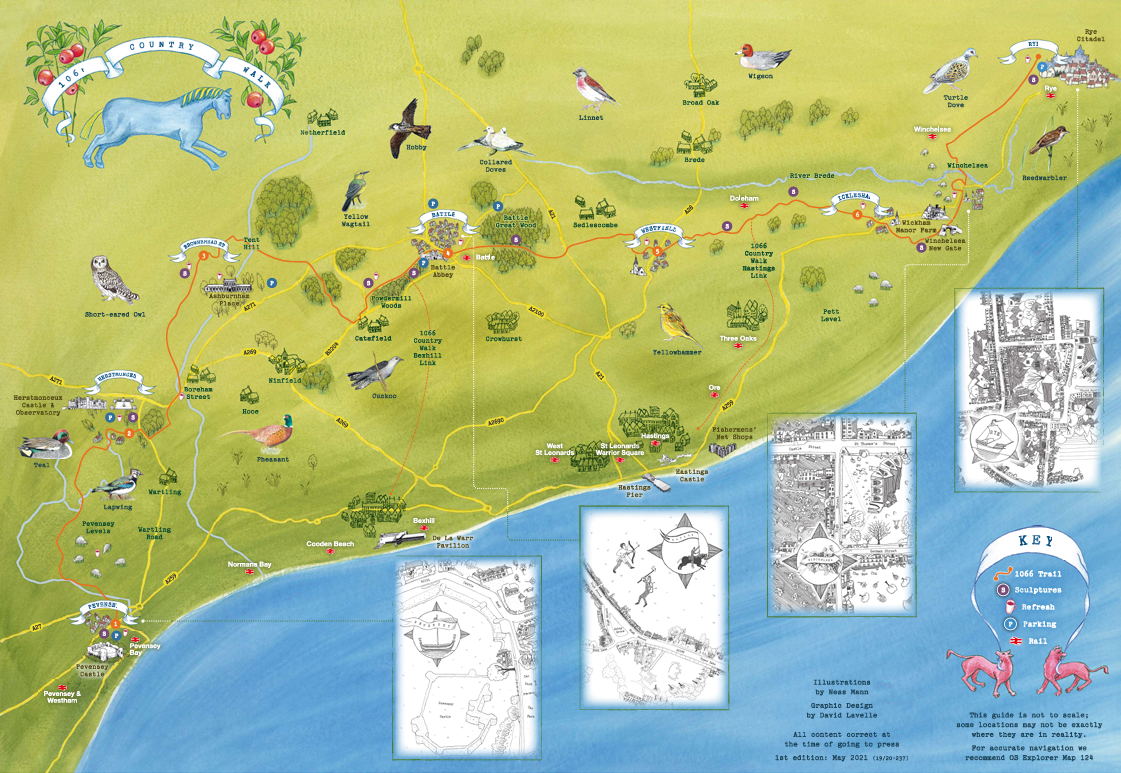
Running for approximately 31 miles between Pevensey and Rye, the 1066 Country Walk is a waymarked long-distance footpath that links places associated with the Norman Conquest. It can be walked in either direction and is divided into six sections in the official illustrated guide, making it easier to plan a trip around your interests and available time. The route starts at Pevensey Castle and crosses the Pevensey Levels before heading inland towards Herstmonceux. From there, it continues through rural countryside towards Battle, where William the Conqueror established an abbey to commemorate his victory. The final sections pass through woodland and villages before reaching Winchelsea and Rye.
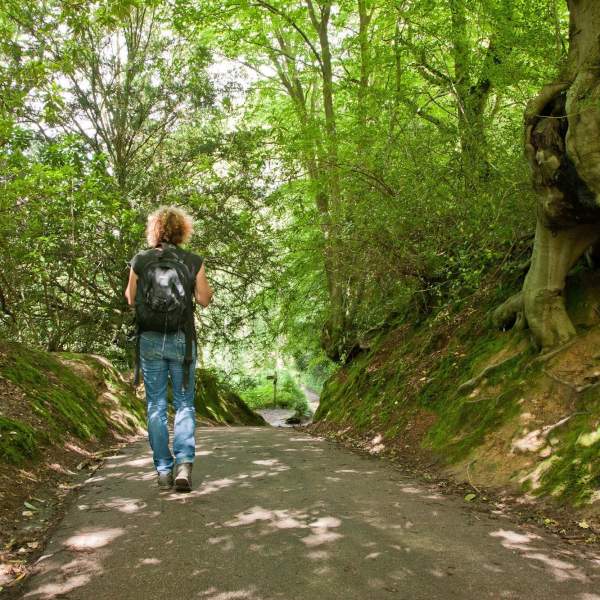
You don't need to be an experienced long-distance walker to enjoy the trail, but it's worth remembering that it includes a mixture of field paths, woodland tracks, lanes and road crossings. Conditions can vary with the weather, so suitable footwear and a little preparation will help you make the most of it. What makes the walk particularly appealing is the way its history unfolds as you go. Rather than visiting individual attractions in isolation, you can explore the wider landscape that connects them, with plenty of opportunities to stop, look around and discover more along the way. The full illustrated guide from Visit1066Country.com is a great companion on your walk is it gives you detailed information, facts and tips as to what to keep an eye out for along the way!
Six sections of the 1066 Country Walk
Back to Top of ListSix sections of the 1066 Country Walk
The official walking guide divides the trail into six stages, each offering its own combination of history and countryside. You can follow them in sequence as part of a longer walking break or select individual sections for a day out.
1. Pevensey Castle to Herstmonceux Castle
Distance: 5.5 miles
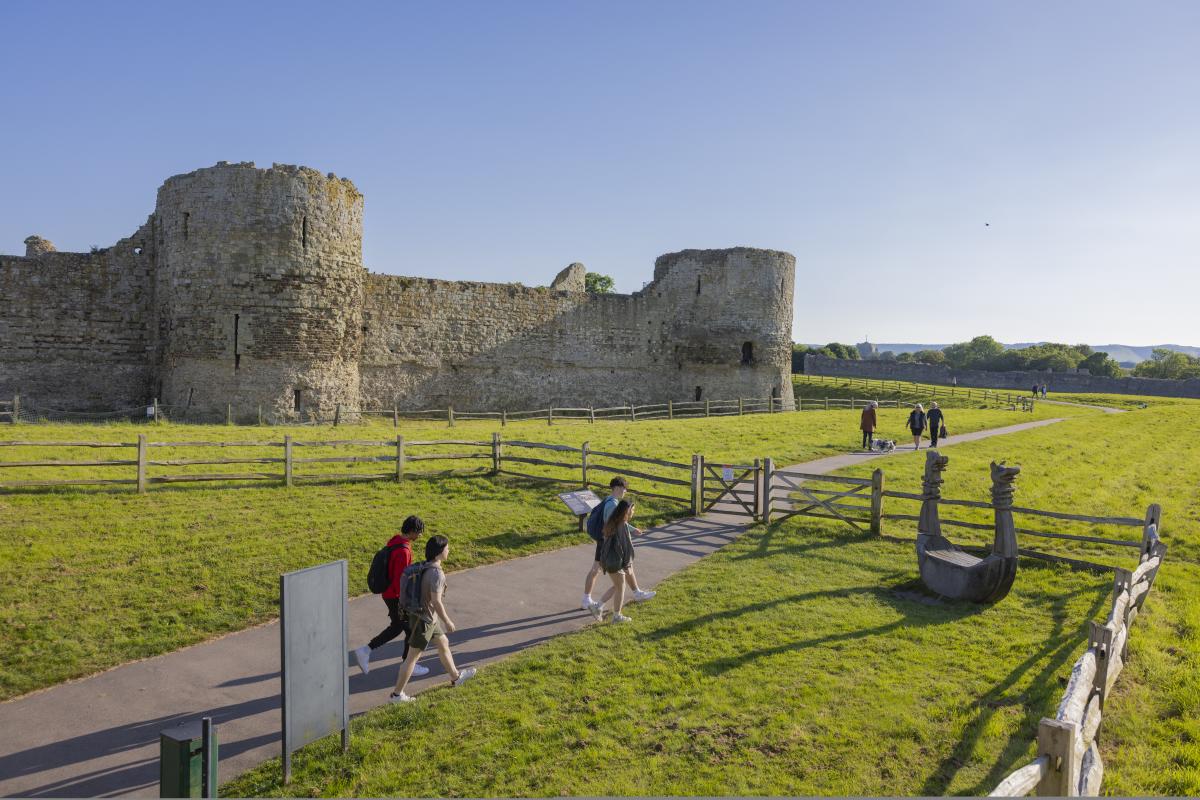
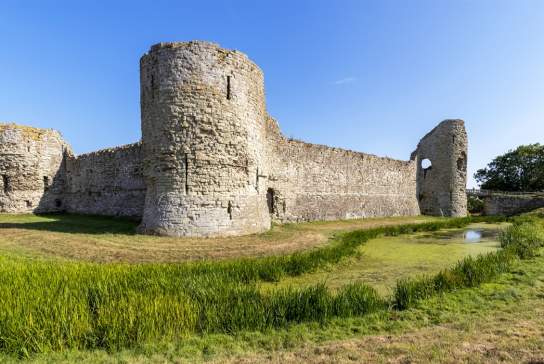
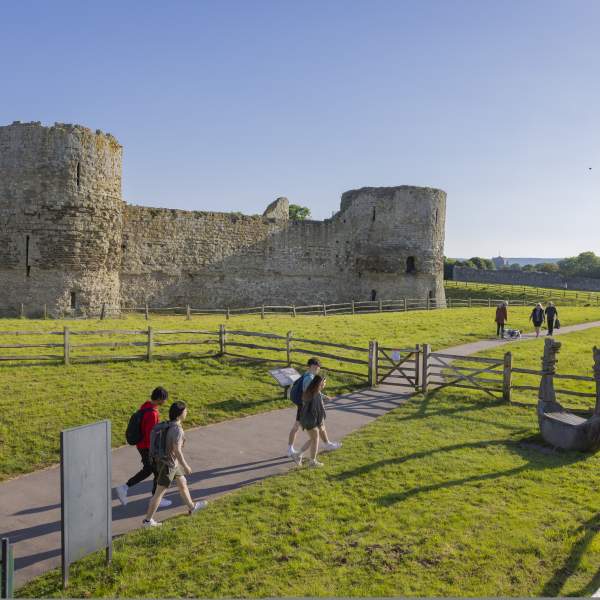
Begin at Pevensey Castle, where the story of the Norman invasion starts to take shape. The remains of the Roman fort and its later medieval defences make this a fascinating place to explore before setting off along the trail.
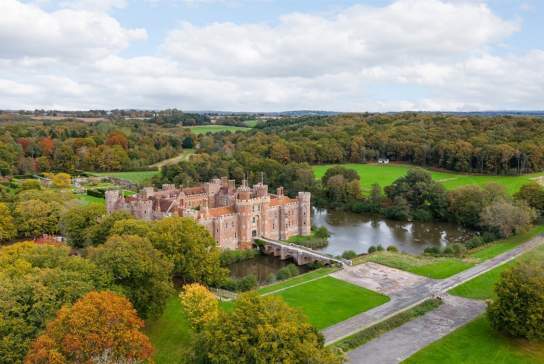
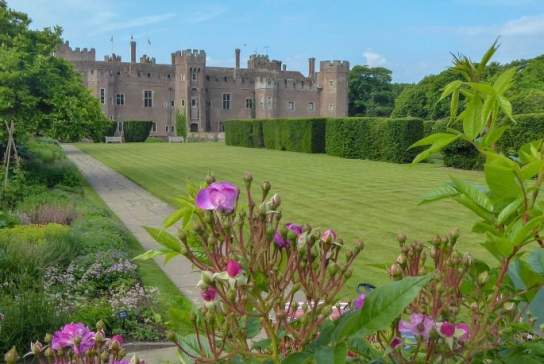
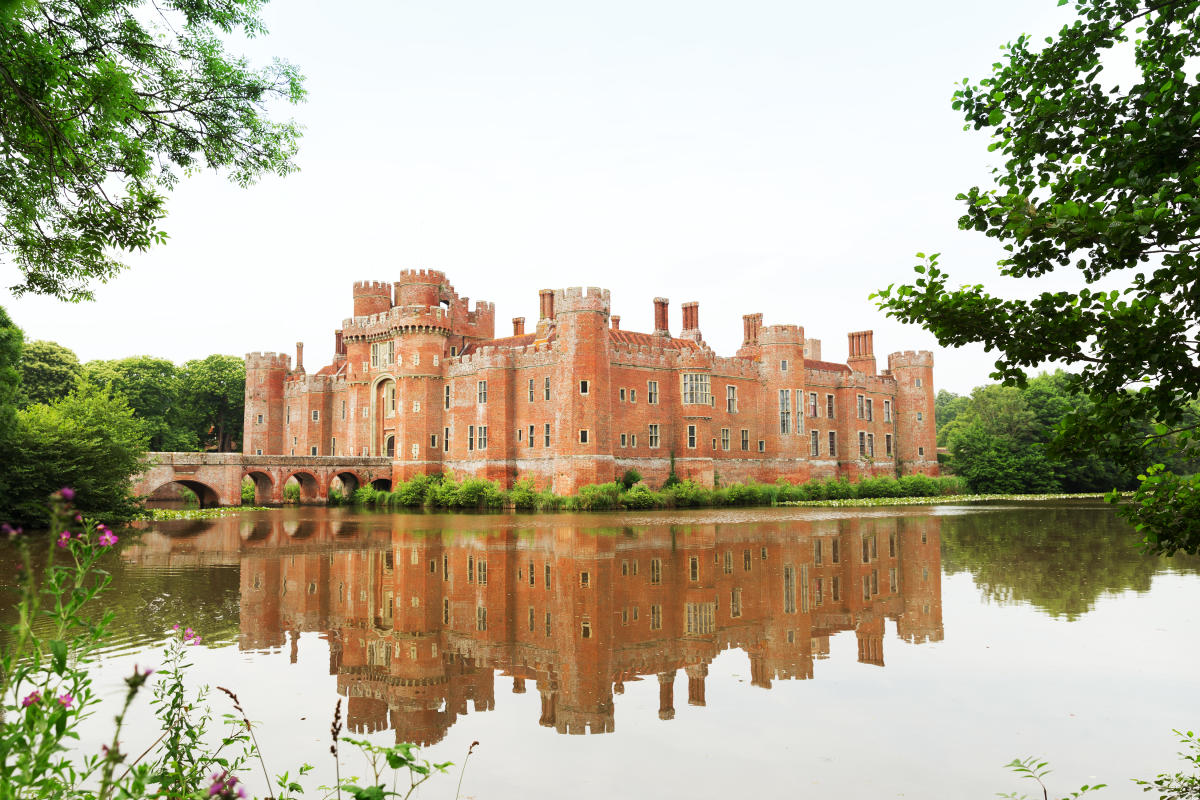
From here, the route heads across the Pevensey Levels, an expansive landscape of fields, waterways and wetlands. It's a particularly rewarding stretch for anyone who enjoys open countryside and birdwatching, with plenty to look out for across the marshes. The destination is Herstmonceux Castle, a striking moated castle built largely in the 15th century. Its red-brick walls and historic grounds offer a contrast to the earlier fortifications at Pevensey. Nearby, the Observatory Science Centre provides another reason to extend your visit.
This opening stage sets the scene for the walk, combining the history of the Norman landing with a taste of the varied landscapes you'll encounter further inland.
2. Herstmonceux Castle to Brownbread Street
Distance: 5.5 miles
Leaving the castle behind, this section takes you through the countryside around Herstmonceux and towards Brownbread Street. The route follows quiet lanes and crosses farmland, with hedgerows, wooded edges and open fields creating a changing backdrop.
You'll pass the former Royal Greenwich Observatory site, now home to the Observatory Science Centre, where the distinctive domes are a reminder of Sussex's scientific heritage. This is a stage to enjoy at an unhurried pace. Look out for birds in the hedgerows and take time to appreciate the small details of rural Sussex, from traditional farm buildings to the changing views across the fields.
If you're walking the route over several days, check ahead for refreshment stops and accommodation. Facilities can be spread out between villages, so a little planning will help you avoid having to rush through this quieter stretch.
3. Brownbread Street to Battle Abbey
Distance: 6.6 miles
The walk continues through the rural landscape towards Battle, passing through the Ashburnham and Normanhurst estates, with wooded paths and farmland along the way.
For history enthusiasts, this is one of the most anticipated stages, as it leads towards the site of the Battle of Hastings. On 14 October 1066, the armies of William, Duke of Normandy, and Harold Godwinson met in a battle that would determine who ruled England.
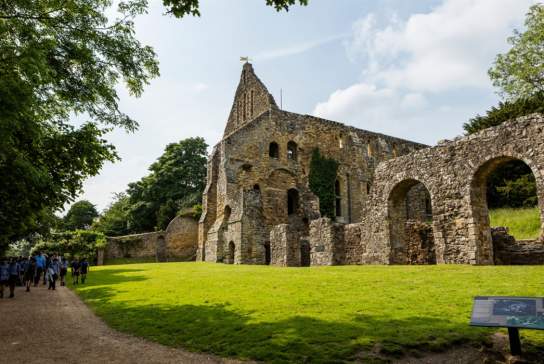
At 1066 Battle Abbey and Battlefield, you can explore the battlefield and discover the story of the invasion, the fighting and its consequences. William ordered the abbey to be built in the aftermath of his victory, creating a lasting memorial to the battle.
Allow time to explore Battle itself, too. Its historic centre has independent shops and places to stop for refreshments, making it a good spot for a longer break before continuing your journey.
4. Battle Abbey to Westfield
Distance: 4 miles
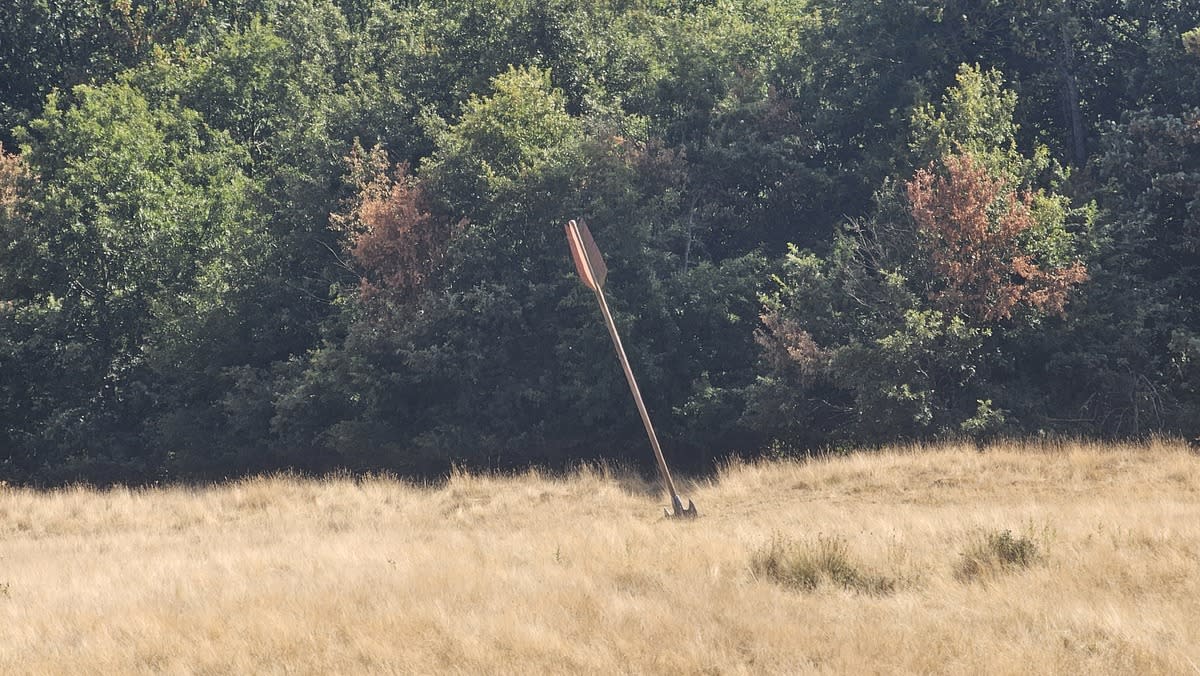
After exploring Battle, this shorter section offers an opportunity to enjoy a different side of East Sussex. The path leaves the town and heads through Battle Great Wood before continuing towards Westfield.
Woodland makes this a pleasant stage for walkers who enjoy the changing sights and sounds of the countryside. Depending on the season, you may spot wildflowers, birds and other wildlife along the way.
Westfield is a historic village with connections stretching back to the Domesday Book. It's a reminder that the story of 1066 Country extends well beyond the events of a single day. The villages, farms and churches scattered across the region help reveal how people have lived and worked in this landscape over many centuries.
5. Westfield to Icklesham
Distance: 4.9 miles
Heading east from Westfield, the route passes through rural countryside towards the Brede Valley and Icklesham. Fields, quiet tracks and stretches of woodland make this a rewarding section for anyone looking to spend time away from busy roads and larger settlements.
As you approach Icklesham, look out for the village church of St Nicholas, a notable historic landmark in the area. The surrounding landscape has long been shaped by farming and rural life, providing a quieter perspective on the history of 1066 Country. This is a good stage for taking your time and enjoying the journey itself. Keep an eye on your route and plan refreshment stops in advance, particularly if you're walking outside the main tourist season.
6. Icklesham to Rye
Distance: 5.6 miles
The final stage leads towards Rye, a fitting place to finish a walk through one of Sussex's richest historic landscapes.
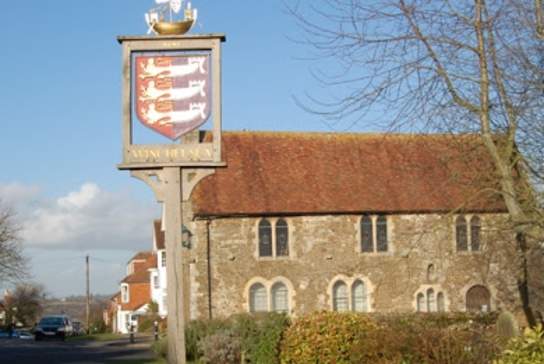
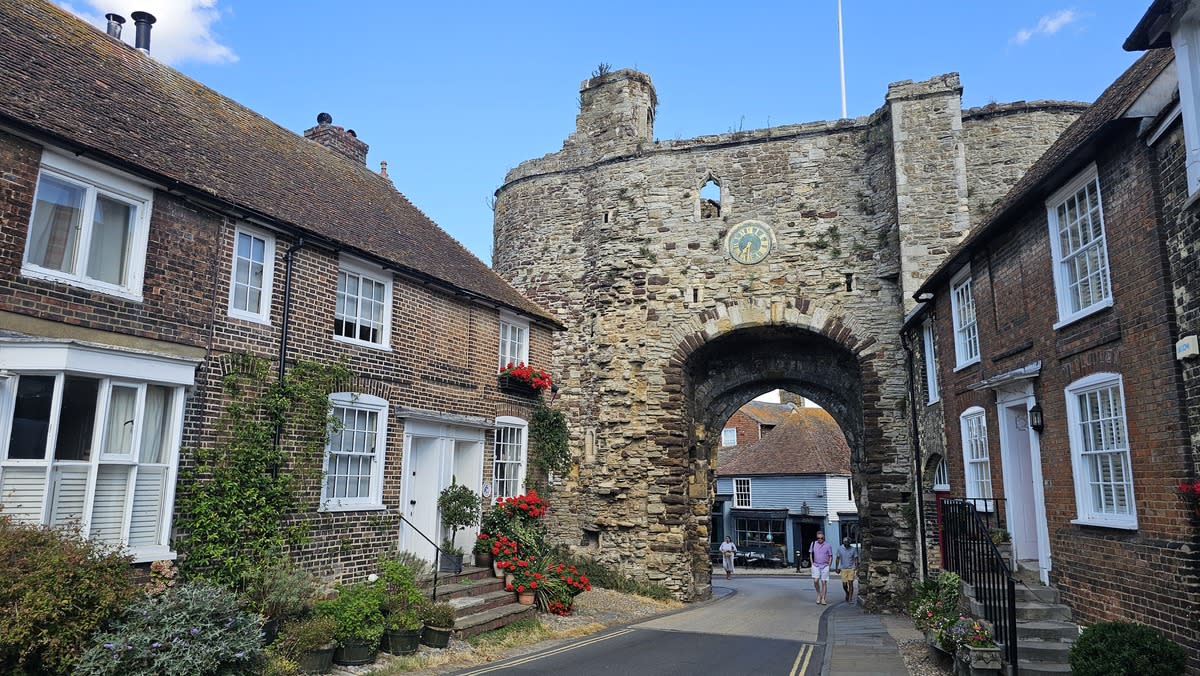
Leaving Icklesham, you'll pass through countryside towards Winchelsea, a medieval town with a fascinating connection to the changing Sussex coastline. Once an important port, it retains historic buildings, gateways and churches that reflect its former importance.
From Winchelsea, continue towards Rye, where the landscape gradually gives way to the town's distinctive streets and historic buildings. Rye's cobbled lanes, timber-framed houses and independent shops make it a lovely place to explore after several days on foot.
Take time to visit the historic centre, find somewhere for a meal or coffee, or extend your stay to discover more of the surrounding area. If you've walked the entire route, Rye provides a satisfying end to a journey through the history and countryside of East Sussex.
Bayeux Tapestry inspired sculptures & countryside
Back to Top of ListLook out for the Bayeux Tapestry-inspired sculptures
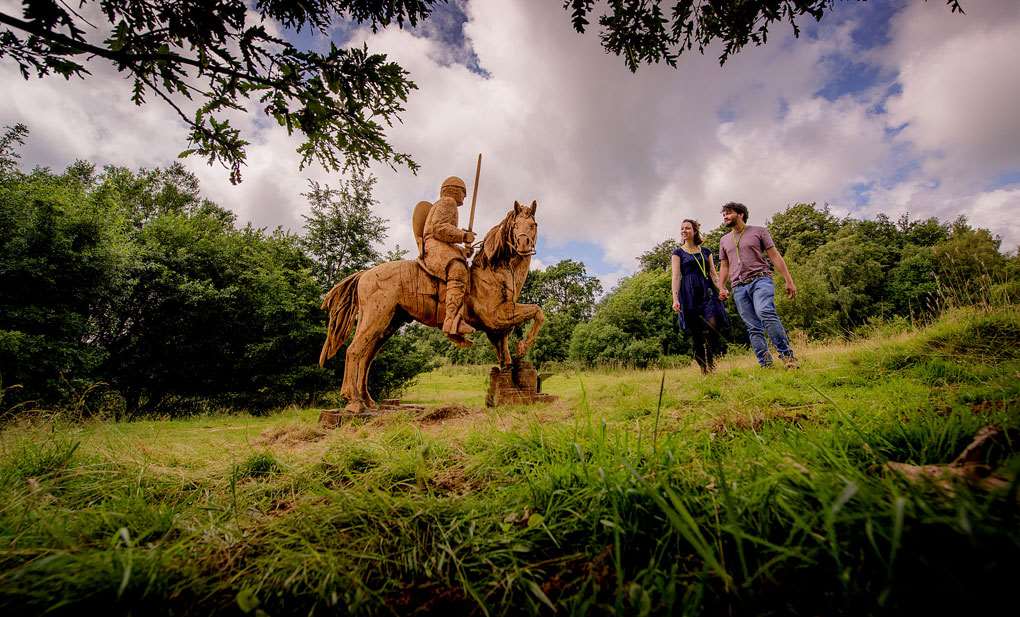
The 1066 Country Walk has an extra feature that makes it particularly interesting for curious walkers: a series of wooden sculptures inspired by the Bayeux Tapestry and the events surrounding the Norman Conquest.
Created by Sussex artist Keith Pettit, the sculptures explore different aspects of the story, from the Norman landing to the horses used in the invasion and the rival claims to the English crown. Others draw attention to the influence of the Normans on language and culture.
Finding them along the way adds an element of discovery to the walk. Rather than being confined to a museum, the artwork sits within the landscape, encouraging you to pause and consider the history associated with each location.
The sculptures form part of a wider project to improve the trail with signage, information panels and benches. Check the official 1066 Country Walk information for details of the route and sculpture locations before setting off, as facilities and information may change.
Enjoy the countryside along the route
While history is the thread that connects the 1066 Country Walk, the changing landscape is just as much a reason to explore it.
The Pevensey Levels offer broad skies and wetland habitats, while further inland you'll find fields, wooded paths and the distinctive rural scenery of the High Weald National Landscape. Towards Winchelsea and Rye, the countryside opens out again, with historic settlements and views shaped by the area's changing relationship with the coast. The walk has something to offer throughout the year. Spring brings fresh growth and wildflowers, summer provides longer days for exploring, autumn adds colour to woodland and hedgerows, and winter can reveal far-reaching views across the fields.
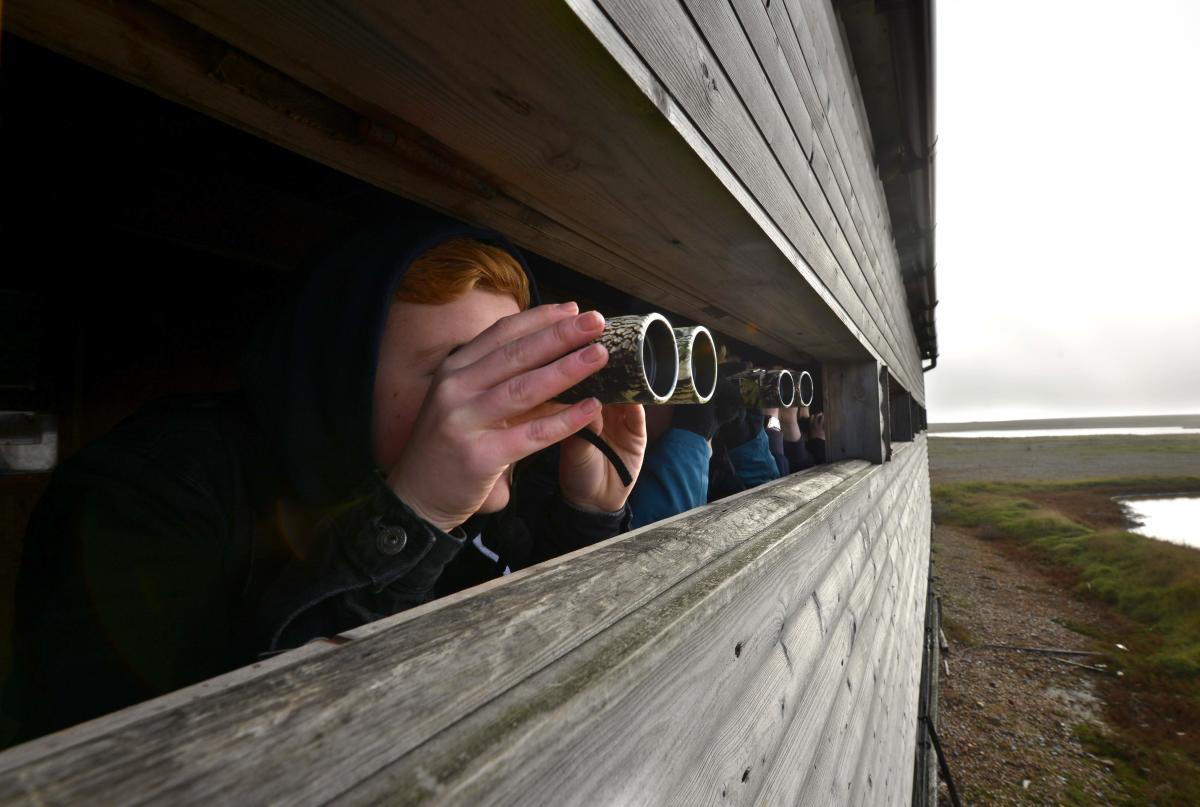
Bring binoculars if you're interested in wildlife, take time to notice the seasonal changes and remember that some of the most memorable moments may come between the major landmarks.